
 Türkçe
Sustainable Tactical Materials from China Armor Factory
Nobody in the armor manufacturing business calls it waste. That pile of trimmed aramid strips near the cutting table, the short UHMWPE roll ends stacked by the warehouse door, the hybrid UD fabric offcuts left after panel shaping — the people who work with these materials every day know exactly what they're looking at: high-performance fiber that simply didn't fit the dimensional spec for a certified vest insert.
That distinction matters quite a bit. The material itself is intact. Its tensile strength hasn't changed. The areal density is documented. The fiber orientation is exactly what it was when the roll came off the production line. What changed is the geometry — and for a wide range of downstream applications, geometry is the least important variable.
Buyers across the tactical, industrial, and outdoor sectors have figured this out. Direct sourcing of ballistic fabric surplus from Chinese armor factories is no longer a niche workaround — it's a deliberate procurement strategy for manufacturers who need performance-grade textiles without paying full roll pricing.
What Actually Qualifies as Ballistic Material Scrap?
The term covers several distinct material streams, each with different dimensions, compositions, and end-use suitability. In a typical vest production environment, cutting shaped panels from large flat rolls generates edge strips, corner offcuts, short roll ends, and occasional full panels that failed visual inspection for cosmetic (not structural) reasons.
Here's what that typically breaks down to in a Chinese armor factory context:
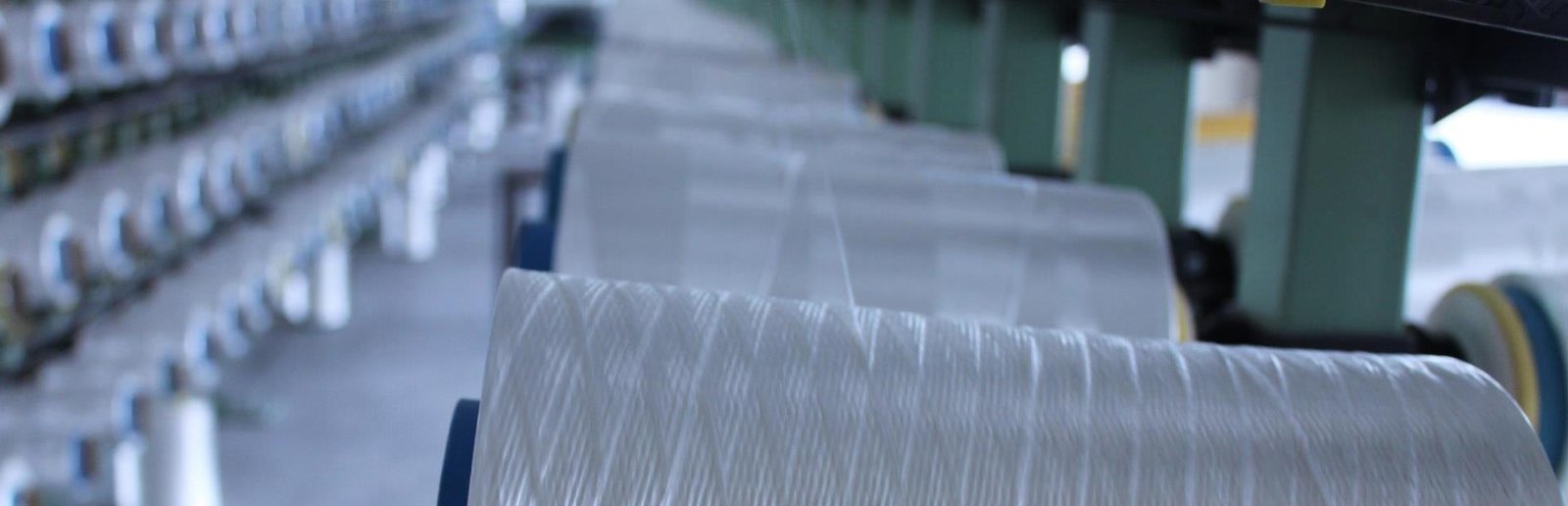
• Para-aramid fabric offcuts — the woven, golden-colored material most people associate with Kevlar-style protection. Thermally stable, flexible, and genuinely difficult to cut without specialized tooling. What's left after panel cutting still has every mechanical property the roll started with.
• UHMWPE surplus sheets — unidirectional laminates in the familiar translucent white. These are the 0°/90° cross-ply panels that give modern soft armor its weight-to-strength advantage. Offcuts arrive in irregular sizes but retain their fiber structure entirely.
• Hybrid UD fabric remnants — cross-ply laminates that bond UHMWPE and aramid layers together, designed to capture the advantages of both fiber types in a single structure. Roll ends from these lots are particularly sought-after by tactical gear manufacturers.
• Tactical nylon surplus — 500D, 1000D, and 1680D Cordura-equivalent materials cut from plate carrier and vest carrier production. Consistent color, consistent weave, typically available in coyote, ranger green, OD, and black.
• Plate carrier construction materials — internal channeling fabric, shoulder pad backing layers, cummerbund panel stock, MOLLE backing webbing.
Each category comes with traceable production data if you're sourcing direct from the manufacturer. That traceability is one of the things that separates factory-direct surplus from what you'll find through third-party aggregate suppliers.
Where Does This Material Actually End Up?
The downstream market has matured considerably. A few years ago, the primary buyer was the recycling and fiber recovery industry. Today, the end-use list looks quite different.
Tactical Gear Workshops and Small-Batch Manufacturers
This is the largest active buyer segment by volume. Independent tactical gear makers — the workshops producing small runs of plate carriers, chest rigs, range bags, and duty pouches — have a real need for performance-grade fabric that doesn't come with the minimum order quantities of a full production roll.
Ballistic fabric offcuts serve them well for:
• Internal pouch reinforcement panels and stiffener inserts in MOLLE-compatible gear
• Load-bearing backpack base layers that need abrasion resistance without adding significant weight
• Cut-resistant liner material for tactical gloves, knee pads, and elbow protection
• Range bag internal panels and hard-side insert backing
The math works in their favor, too. Sourcing remnant material from a direct factory relationship brings per-kilogram cost down meaningfully versus buying through distributors — often 30–50% depending on lot size and material type — without any change in the actual fiber specification.
Industrial Safety and Protective Equipment
Cut resistance and abrasion resistance are properties that industrial safety product designers spend a lot of time engineering into workwear and equipment covers. Ballistic-grade fabric delivers both, often at a level that conventional industrial textiles can't match.
Practical applications include:
• Heavy-use tool bags and site equipment transport covers that need to survive rough handling on construction sites
• Protective sleeve and apron panels for foundry workers, fabricators, and anyone handling sharp metal stock
• Machinery and pipework protective wraps in environments with abrasive particulates
• High-wear patch reinforcement for industrial workwear at elbow, knee, and shoulder contact points
Several European industrial safety OEMs have built ongoing procurement relationships with Chinese armor manufacturers specifically to access this material stream. The documentation that comes with factory-direct supply — fiber content, areal density, lot traceability — also helps with product certification in regulated markets.
Outdoor, Overlanding, and Motorcycle Gear
The outdoor market's appetite for tactical-grade material in non-defensive applications keeps growing, particularly in North America and Northern Europe. Overlanding communities, motorcycle riders, and expedition outfitters all operate in environments where gear durability is a genuine functional concern — not just a marketing angle.
Ballistic scrap material finds its way into:
• Motorcycle riding jacket impact panels and abrasion zones (jacket shoulders, elbows, back panels)
• Overlanding recovery gear bags, winch line sleeves, and hi-lift jack covers
• Dry bag construction for paddlers and kayakers who need genuine puncture resistance
• Heavy-duty hunting and expedition pack reinforcement layers
For brands in this space, the material story is part of the product story. "Made with ballistic-grade aramid offcuts" is a differentiator that resonates with the customer base — and it happens to be true.
Training Facilities, DIY Builders, and the Airsoft Market
Smaller in individual transaction size but collectively significant, this segment includes shooting range operators building their own target carriers and trap systems, individual makers constructing non-certified plate carrier builds for training use, and airsoft brands wanting authentic military-spec textile feel in their equipment.
None of these buyers need NIJ certification. What they want is fabric that behaves like the real thing — and ballistic scrap, sourced from the same production batches as certified panels, delivers exactly that. Airsoft chest rigs built from genuine MOLLE surplus and aramid-reinforced panel inserts occupy a distinct product position in a market that has otherwise commoditized.
Three Reasons Manufacturers Keep Coming Back to Factory Surplus
The cost picture is genuinely attractive. Full production rolls of certified ballistic fabric carry pricing that reflects the engineering behind them. Offcuts from the same batch don't. For end-use applications that don't require certified panels, that price gap — sometimes substantial — flows directly to margin without any corresponding drop in material quality.
The documentation is actually there. This is where factory-direct sourcing separates itself from buying through aggregators or surplus dealers. A manufacturer can provide material data sheets, fiber composition breakdowns, areal density figures by lot, and in many cases production batch records. For buyers whose downstream products need to carry any kind of performance claim, that paper trail is not optional.
The sustainability angle has real procurement implications. European institutional buyers — government agencies, large defense contractors, publicly traded brands — are operating under tightening sustainability reporting requirements. Sourcing surplus industrial material rather than commissioning new production supports scope 3 emissions reduction claims and circular economy reporting. Ballistic scrap from a documented factory source can carry the provenance records that make those claims defensible.
What's Typically Available and in What Form?
Stock varies by production cycle, but the material categories that show up most consistently from Chinese armor manufacturers include:
• Aramid and PE ballistic fabric offcuts — irregular sheet sizes, sortable by approximate dimension range and color
• Hybrid UD fabric roll ends — partial rolls of cross-ply UHMWPE/aramid laminate, typically 0°/90° construction, in 100cm or 127cm widths
• Tactical nylon lots — 500D through 1680D Cordura-equivalent, available in standard colorways
• Plate carrier component stock — shoulder padding materials, cummerbund webbing, MOLLE backing panels
• Industrial textile co-production rolls — high-strength polyester and woven nylon from shared production lines
Buyers with established supply relationships generally get advance notice of lot availability, which matters when production cycles are quarterly and specific material types don't accumulate in large quantities continuously.
Who's Actually Buying This Stuff?
The buyer profile is worth knowing if you're evaluating whether direct sourcing makes sense for your own operation. Active procurement right now is coming from:
• Independent tactical gear workshops across the US, UK, Poland, and Germany — typically buying 50–500kg lots on a quarterly cycle
• Military surplus distributors in the Middle East and Southeast Asia building stock for local military and law enforcement supply chains
• Outdoor and motorcycle gear OEMs integrating ballistic-grade material into branded product lines
• Industrial safety manufacturers seeking documented high-performance fiber for cut and abrasion protection products sold into regulated European markets
• Airsoft and training equipment producers wanting authentic material feel without certified panel requirements
• Procurement agents working for institutional clients with formal sustainability sourcing criteria
The pattern across all of these buyers is preference for direct factory contact. Multi-tier distribution adds cost and removes documentation. Neither works in their favor.
Practical Notes on Sourcing Direct from a China Armor Factory
A few things worth knowing before initiating contact with a manufacturer:
• Real-time surplus notification is a relationship benefit. Factories don't typically warehouse large offcut lots — they move them. Buyers who have established ongoing relationships get first call when material becomes available.
• Specification conversations are possible before sorting. If you need a specific areal density range, fiber type, or approximate sheet size, a factory with proper lot management can often sort and separate accordingly before packing.
• HS code classification matters at import. Ballistic materials carry specific HS codes that determine applicable duties in most destination markets. Confirm classification with your freight forwarder before placing an order, as fiber content and intended use both affect classification in EU and US import frameworks.
• FCL loading is available for larger orders. Direct container loading from a factory bypasses consolidation cost and maintains material integrity during transit — relevant for large lots of laminate panels that can shift and crease in consolidation warehouses.
Ready to Source High-Performance Hybrid UD Fabric Direct from Factory?
Nantong Yankaian New Materials specializes in hybrid structure UD fabric — cross-ply laminates that combine UHMWPE and aramid layers into a single bonded unidirectional sheet engineered for both weight efficiency and multi-threat performance. Our material is produced at our Nantong facility under controlled process conditions, with consistent areal density, verified fiber orientation, and full lot documentation.
We supply tactical gear manufacturers, soft armor panel producers, and industrial reinforcement applications across Europe, North America, and the Middle East. Whether you're evaluating our hybrid UD fabric as a primary production input or exploring surplus lots for a specific downstream application, our export team can walk you through available specifications, lead times, and sample arrangements.
Our hybrid UD fabric isn't a commodity product — it's engineered material with documented performance, built for buyers who know the difference. If that describes your operation, we should talk.
Visit us at: https://yankaiarmor.com/ | Direct factory supply. Documented specs. Export-ready stock.